Strategy27.06.2025
How a Defensive Publication Can Stand Against a Competitor's Patent Application
Updated on 27.06.2025
6 min read
Updated on 27.06.2025
Defensive publications are not only cost-effective — they can be a powerful strategic instrument to stand against third-party patent efforts. In today's innovation landscape, the timing of public disclosure can determine whether you maintain freedom to operate.
In this article, we show how a properly executed defensive publication works as a strategic measure in the context of global patent systems.
In many industries, companies independently develop the same solutions. If one of these companies files a patent application first, it may obtain exclusive rights.
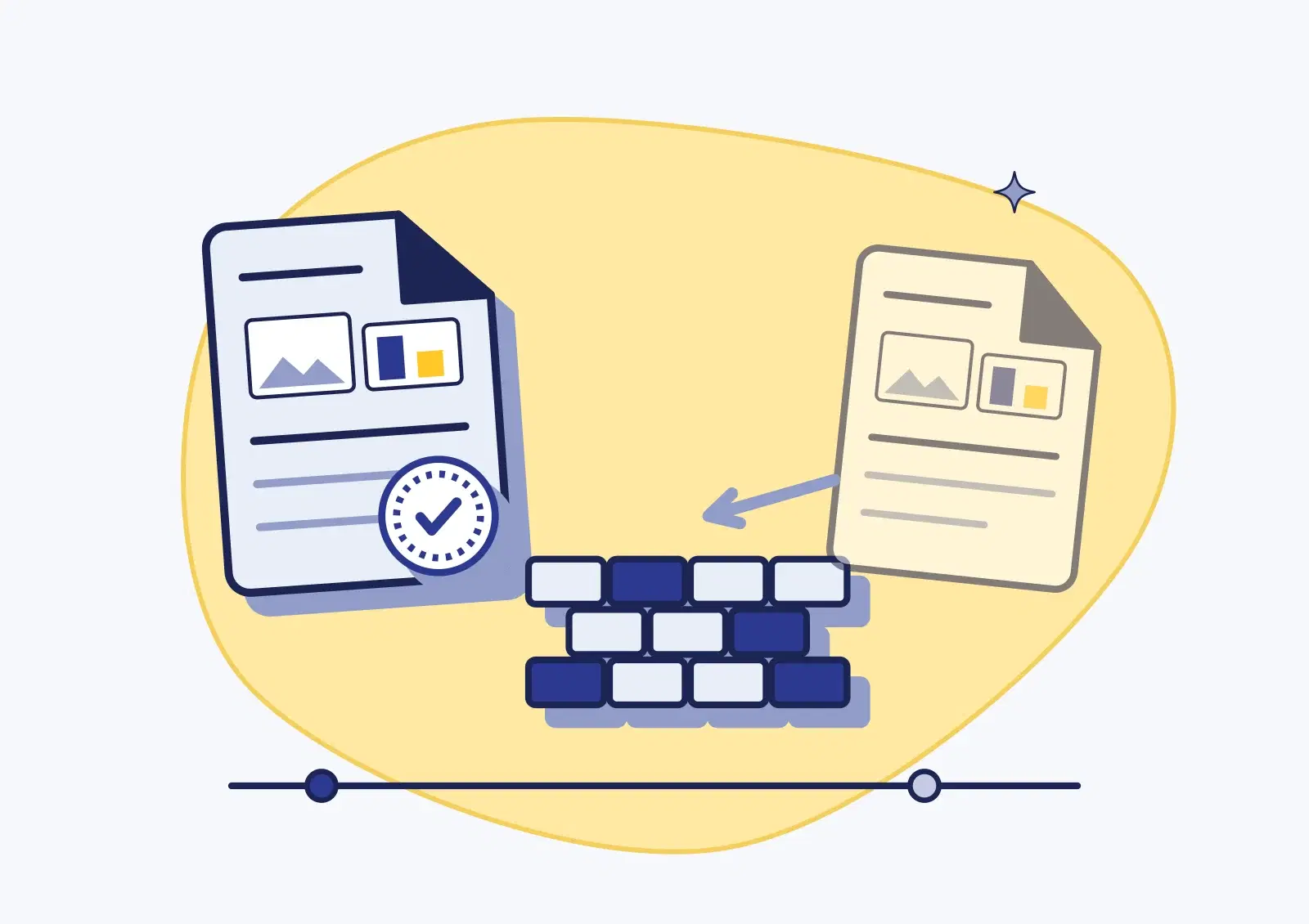
This is where defensive publication comes in: by publishing your idea in an accessible way, you create prior art. This can eliminate novelty for third parties.
Worldwide, an invention must be novel to be patentable. If the same idea has already been published, it is no longer novel.
A properly timestamped defensive publication:
Imagine your team develops a new method. You decide against a patent but publish the concept via Proofbox.
Six months later, a competitor files a patent application. Your publication, already bearing a verifiable timestamp, can take away the novelty of that application. You have supported your freedom to operate.
For a defensive publication to be recognized as prior art, it should meet key criteria:
Note: Publishing through specialized platforms like Proofbox supports meeting these criteria systematically.
Secrecy also carries strategic risks. If a competitor independently patents the same solution, they can obtain exclusive rights.
While the instrument of prior user rights exists, relying on it is often difficult and comes with high evidentiary requirements.
A defensive publication, by contrast, is a clear path to creating prior art and preventing others from later obtaining exclusive claims to the same invention. It supports your freedom to operate.
For your disclosure to stand against a competitor's patent application, it must be published before their filing date. If a defensive publication is to be carried out, it is therefore critical to:
Defensive publication means creating the conditions under which a third party does not later obtain an exclusion right for the same invention. In competitive industries, this strategy offers:
Use Proofbox to publish and support your freedom to operate through a compliant timestamp, global findability, and discreet publication.
The information provided in this blog and on this page is for general informational purposes only and does not constitute legal advice. Proofbox or Proofbox GmbH is not a law firm and is not authorized to provide legal counsel or act as a legal representative in any jurisdiction. The content herein is not intended to replace professional legal consultation, and users are strongly advised to seek independent legal advice from a qualified attorney before making any decisions related to intellectual property, defensive disclosures, or publication strategies. While we aim to keep the information up to date and accurate, no guarantee is given as to the completeness, accuracy, or currentness of the content provided. Proofbox expressly disclaims any liability for errors, omissions, or outdated references and assumes no responsibility for any actions taken or not taken based on the information on this page and any pages of our Website and Blog. Using this site does not create any form of attorney-client relationship, and Proofbox assumes no legal liability for reliance on the materials presented. Please also refer to our Terms and Conditions and Privacy Policy, which govern the use of this website and our services.